
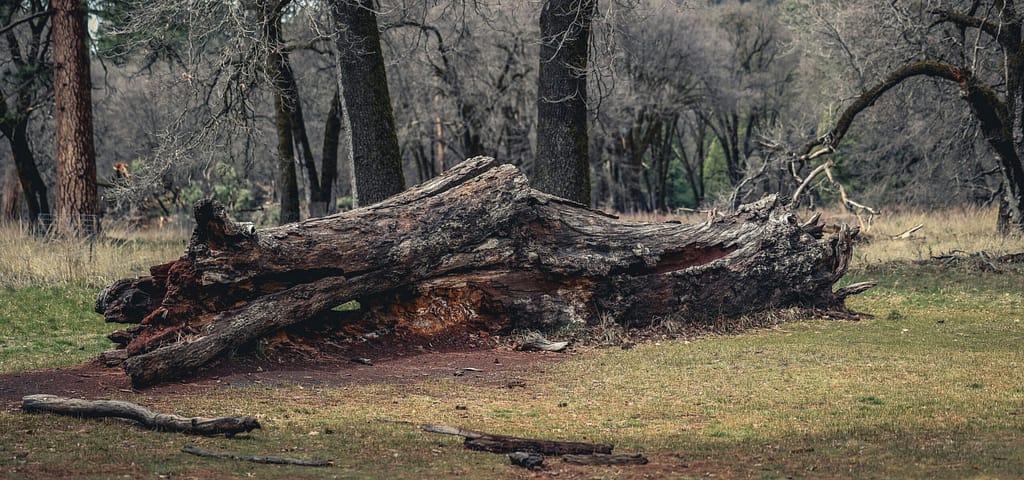
Here at Moorland Tree Care, we’re passionate about the environment. We love using our ecological knowledge to craft habitats that are great for the environment, a pleasure to see, and increase your property value. Whether you’re a homeowner looking to do your bit or a commercial client with legal obligations, we’ve got a range of habitat creation options that provide genuine value for your property and the environment.
Based just off the A30 near Whiddon Down Junction, we’re perfectly positioned to serve Exeter and the surrounding Devon countryside. Our team of qualified arborists understands the intricate relationships between trees, plants, and local wildlife, creating sustainable habitats tailored to your specific location and conservation goals.
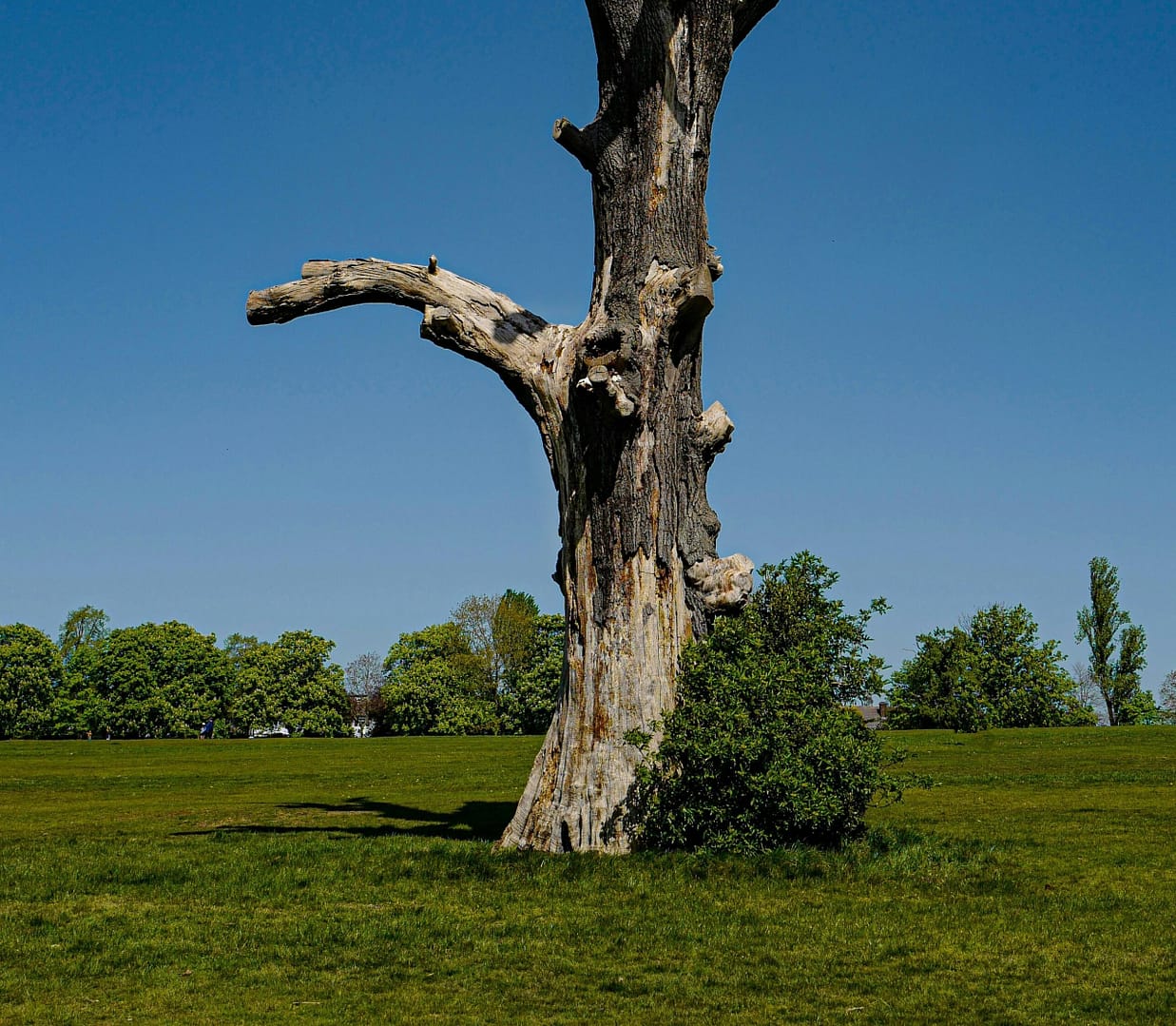

Creating vital habitats within standing trees and fallen timber to support insects, birds, and small mammals essential to Devon’s ecosystem. We use chainsaws, drills, and chisels to bore holes and create natural-looking cavities in tree monoliths, leaving them safely standing where possible. We create in-tree habitats that benefit off-ground nesting species, with entrance hole sizes carefully chosen to attract specific birds. Different species prefer different heights from ground, so we recommend a variety of hole sizes and heights to attract diverse wildlife. Birds naturally block holes with their bodies to protect young, making these habitats incredibly effective for Devon’s native species.
Professional pond construction with native aquatic plantings to create thriving water habitats that support amphibians, insects, and water birds. We offer both plastic lined systems for reliable water retention and clay-lined ponds for natural aesthetics and self-sealing properties. All installations include selective native aquatic plants chosen specifically for Devon’s climate. The ponds create ideal conditions for dragonflies and water beetles, offer natural rainwater collection for garden irrigation, and require minimal maintenance once established with native species.
Comprehensive native tree and shrub planting designed to create long-term wildlife habitats whilst enhancing landscape value. We select species including oak, rowan, alder, hazel, birch, willow, and holly, chosen specifically for Devon soil conditions and climate. These plantings provide essential food sources for native birds, insects, and mammals whilst offering seasonal interest with flowers, berries, and autumn colour. Our mixed-age planting approach delivers immediate visual impact and long-term habitat value.
For comprehensive tree planting services, visit our tree planting page.
Strategic habitat connections that link existing green spaces, allowing wildlife movement and supporting biodiversity across fragmented landscapes. We design corridors that connect existing mature trees and hedgerows. Wildlife corridors meet biodiversity net gain requirements whilst linking urban green spaces with surrounding Devon countryside.
Our straightforward process ensures quality results with clear communication from quote to completion.
We believe that every garden, development, and green space plays a vital role in Devon’s ecological wellbeing. Through our expert habitat creation services, we actively support the county’s tree and woodland conservation goals, helping nature thrive, one space at a time.
For Homeowners Creating wildlife habitats in your garden directly supports Devon’s native species whilst adding beauty and value to your property. Even small habitat features contribute to county-wide conservation efforts whilst providing year-round wildlife interest and natural pest control benefits.
For Commercial Clients With mandatory biodiversity net gain targets requiring at least a 10% net increase in measurable improvement, habitat creation is no longer optional. Our tailored services help you meet planning requirements while enhancing your site’s appeal with attractive, low-maintenance landscapes that showcase your environmental commitment.
Based near Exeter, our team creates valuable habitats throughout Devon, including but not limited to:
Exeter, Topsham, Alphington, St Thomas, Pinhoe, Heavitree, Countess Wear, Exminster, Kennford, Ide, Exwick
Exmouth, Honiton, Ottery St Mary, Sidmouth, Seaton, Axminster, Budleigh Salterton, Newton Poppleford, Colyton, Whimple, West Hill, Broadclyst
Crediton, Tiverton, Cullompton, Bampton, Uffculme, Willand, Morchard Bishop, Bow, Halberton, Silverton
Newton Abbot, Totnes, Teignmouth, Dawlish, Kingsbridge, Salcombe, Ivybridge, Brixham, Paignton, Torquay, Stoke Gabriel, Dartmouth
Moretonhampstead, Chagford, Ashburton, Bovey Tracey, Widecombe-in-the-Moor, Princetown, South Brent, Yelverton, Buckfastleigh, North Bovey, Lustleigh, Manaton, Postbridge, Dunsford, Ilsington, Mary Tavy, Horrabridge, Liverton, Bridestowe and more
Creating thriving habitats isn’t just about conservation—it’s about adding genuine value to your property whilst supporting the wildlife that makes Devon special. Our experienced team provides comprehensive habitat creation that enhances your landscape, increases property value, and creates lasting environmental benefits for future generations.
Transform your space into a haven for native wildlife whilst creating attractive, low-maintenance features that demonstrate your commitment to Devon’s natural heritage.
Most residential habitat creation like native tree planting and garden ponds doesn’t require planning permission in Devon, but there are exceptions if you’re in a Conservation Area or near Tree Preservation Orders. We’re familiar with the specific requirements for properties in Dartmoor National Park where additional restrictions may apply.
Coastal and near-coastal properties in areas like Exmouth, Dawlish, and Teignmouth require specific species selection and positioning. We use salt-tolerant natives like sea buckthorn, tamarisk, and coastal forms of hawthorn that thrive in Devon’s maritime climate. Proper windbreak design using tough native species protects more sensitive habitat areas from the prevailing south-westerly winds.
We’re based just off the A30 near Whiddon Down Junction, so we can reach most Exeter locations within 20 minutes and cover the wider Devon area within an hour. For habitat creation projects, we typically schedule free site visits within a week of your enquiry
Birds and insects typically discover new habitats within weeks of creation, especially if you’re connecting to existing mature features like ancient hedgerows or woodland. Pond wildlife often appears remarkably quickly, we’ve seen frogs and newts colonise new ponds within a single breeding season. Native tree and shrub plantings can provide immediate shelter but takes 2-3 growing seasons to offer substantial food sources through berries and seeds.
Deadwood habitat creation in Dartmoor areas like Moretonhampstead and Chagford typically costs £150-400 per tree, depending on access and the extent of work required. The challenging terrain around Dartmoor can affect pricing, but our team regularly works in these areas and knows the best access routes. Dartmoor’s granite-rich soils and high rainfall create ideal conditions for the fungi and insects that thrive in deadwood habitats, making these projects particularly successful.
Yes, areas of heavy clay soils around the Bovey Basin are actually ideal for pond installation, as they naturally retain water better than Devon’s sandier coastal soils. We often recommend clay-lined ponds in these areas since the existing soil composition provides excellent natural sealing. The clay-rich ground in the area means we can often create larger ponds at lower cost compared to areas with sandy or rocky soils.
The habitats are designed to be largely self-sustaining once established, typically requiring only annual checks and occasional pruning. Ponds may need periodic removal of excess vegetation after 3-4 years, while deadwood habitats naturally evolve without intervention. We recommend light management every 2-3 years to prevent any single species dominating, ensuring your habitat continues supporting diverse Devon wildlife.
Well-designed wildlife habitats can potentially add value to properties, with growing buyer interest in eco-friendly features. Homebuyers are increasingly seeking properties that align with their eco-conscious values, and areas with green open spaces and wildlife management are considered desirable locations in the UK.
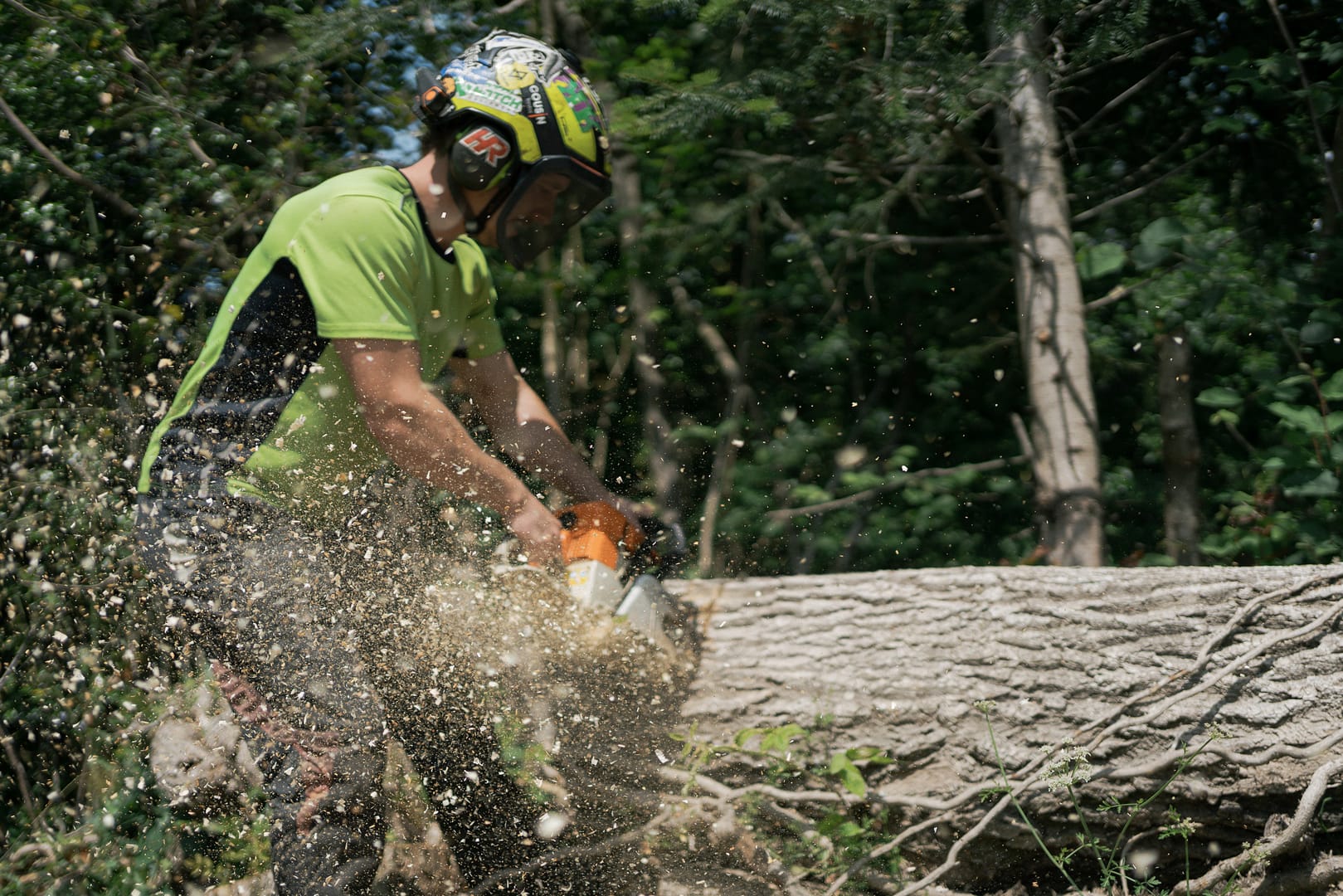
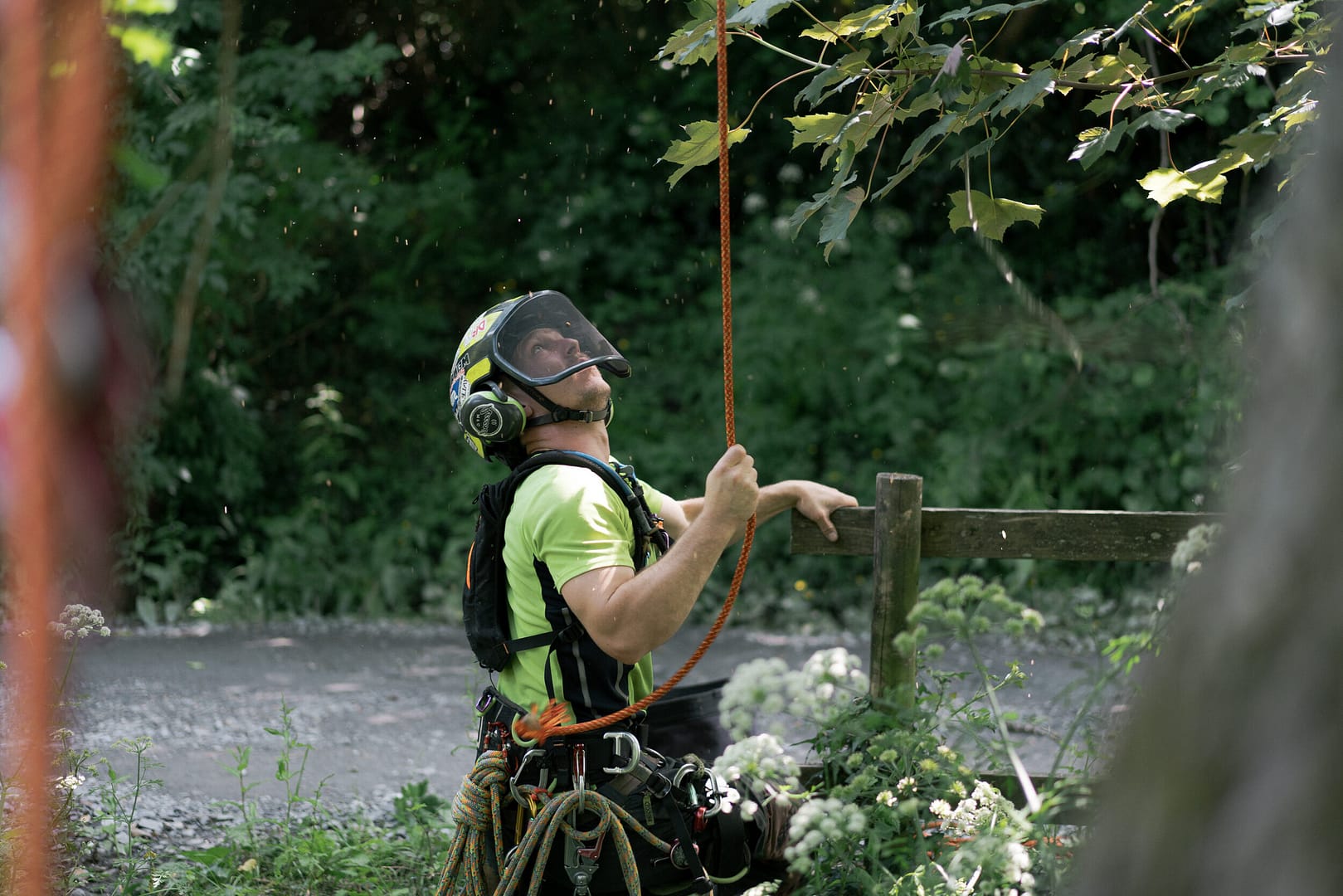
Just tell us what you need, and we’ll get back to you with a free, no-obligation quote. Simple as that!